Best Time to Visit Tadoba National Park — Complete Safari Season Guide 2025
Tadoba Andhari Tiger Reserve is open October to June. But timing your visit right makes the difference between a good safari and the most thrilling wildlife experience of your life.
Quick Overview
Tadoba Safari Seasons at a Glance
Three distinct seasons, three very different safari experiences. Choose the one that aligns with your wildlife goals.
Winter Season
October – February
Ideal for: Families, first-timers, bird watchers, and general wildlife lovers. Pleasant weather, beautiful forest scenery.
Summer Season
March – June
Ideal for: Tiger enthusiasts, photographers, serious wildlife watchers. Book early — summer slots fill fast.
Monsoon Season
July – September
Note: Core zone is closed. Only buffer zones partially operational. Nature photography of lush forest possible.
Full Calendar
Month-by-Month Tadoba Safari Guide
Detailed breakdown of every month — temperatures, safari conditions, wildlife activity, and our expert recommendation.
| Month | Season | Temp Range | Safari Conditions | Best For | Rating |
|---|---|---|---|---|---|
| October | 🂠Post-Monsoon | 18°C – 32°C | Excellent — Park reopens, fresh vegetation | All wildlife, birds | ââââ |
| November | â„ï¸ Early Winter | 15°C – 28°C | Very Good — Pleasant, active wildlife | Photography, families | ââââ |
| December | â„ï¸ Peak Winter | 12°C – 26°C | Excellent — Cool mornings, great light | Honeymoon, photography | âââââ |
| January | â„ï¸ Peak Winter | 10°C – 24°C | Excellent — Coolest, crisp jungle air | Bird watchers, families | âââââ |
| February | â„ï¸ Late Winter | 14°C – 30°C | Very Good — Tiger activity increasing | General wildlife, couples | ââââ |
| March | â˜€ï¸ Early Summer | 22°C – 38°C | Outstanding — Tigers at waterholes | Tiger sightings | âââââ |
| April | â˜€ï¸ Summer Peak | 28°C – 42°C | Exceptional — Near-guaranteed tiger sightings | Tiger photography | âââââ |
| May | â˜€ï¸ Peak Summer | 32°C – 46°C | Best — Multiple tigers at water bodies | Serious wildlife enthusiasts | âââââ |
| June | â˜€ï¸ Late Summer | 30°C – 44°C | Good — Core zone closes June 30 | Final summer sightings | ââââ |
| July | ðŸŒ§ï¸ Monsoon | 24°C – 32°C | Core Zone CLOSED | Buffer only, nature lovers | ââ |
| August | ðŸŒ§ï¸ Monsoon | 23°C – 30°C | Core Zone CLOSED | Birdlife in buffer zone | ââ |
| September | ðŸŒ§ï¸ Late Monsoon | 22°C – 32°C | Core Zone CLOSED, Park Prep | Pre-season photography | ââ |
â Highlighted rows (March–May) = Peak tiger sighting season. Core zone opens October 1 annually.
Pro Tip
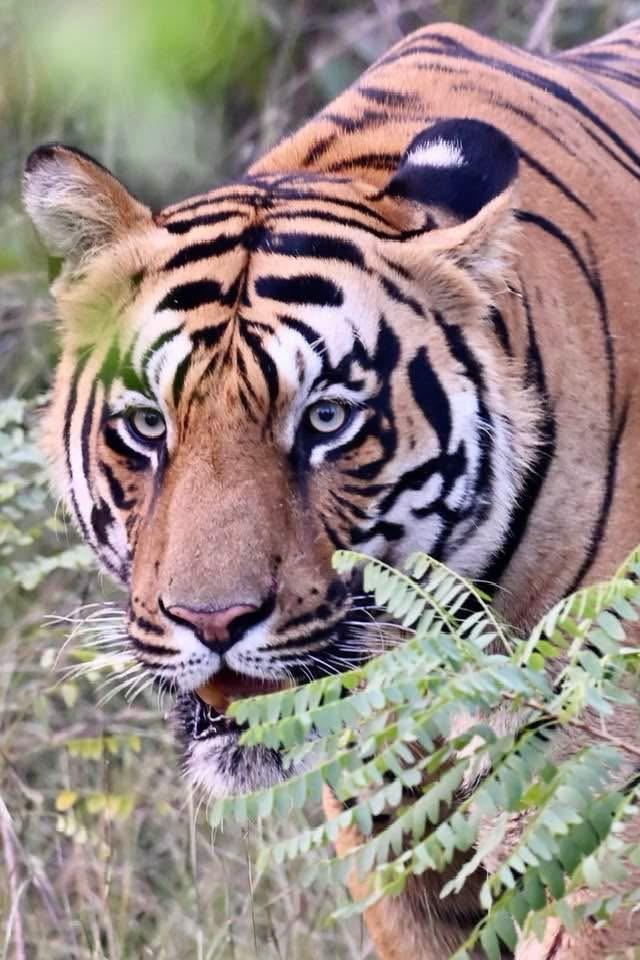
April–May afternoon safaris near Telia Lake and Pandharpauni waterhole yield the highest tiger sighting rates in Tadoba.
🯠Tiger Sightings
Best Time for Tiger Sightings in Tadoba
The undisputed best time for tiger sightings in Tadoba Andhari Tiger Reserve is March to June, with April and May being the most productive months. Here's the science behind it:
ðŸŒ¡ï¸ Heat Drives Tigers to Water
As temperatures soar above 40°C, Tadoba's dense jungle water bodies become essential for tigers. Telia Lake, Pandharpauni, Kolsa, and Navegaon become predictable tiger haunts. Safaris timed near these water holes see tigers cooling off for extended periods — ideal for sightings and photography.
🌿 Sparse Vegetation = Clear Sightlines
By March–April, deciduous forest trees shed their leaves, reducing ground cover significantly. What was once a tiger-concealing thicket becomes an open arena where sightings can last 30–60 minutes as animals rest in the shade near trails.
🦌 Prey Concentration
Water scarcity forces deer, gaur, sambar, and wild boar to congregate at the same water holes as tigers. This high prey density naturally attracts tigers, creating what seasoned naturalists call a "theatre of predator-prey dynamics" — Tadoba's summer safari magic.
📸 Photography
Best Time for Wildlife Photography in Tadoba
Tadoba is a photographer's paradise — but season choice profoundly affects image quality. Here's when to maximize your shots.
October–February: Golden Hour Paradise
Cool, stable air produces excellent optical clarity. Morning safaris start in magical golden light with dense dew-laced jungle. Migrant birds arrive by November, expanding your photographic subjects. The lush post-monsoon vegetation creates beautiful bokeh backgrounds for portrait shots of wildlife.
March–May: Tiger Portraits & Action
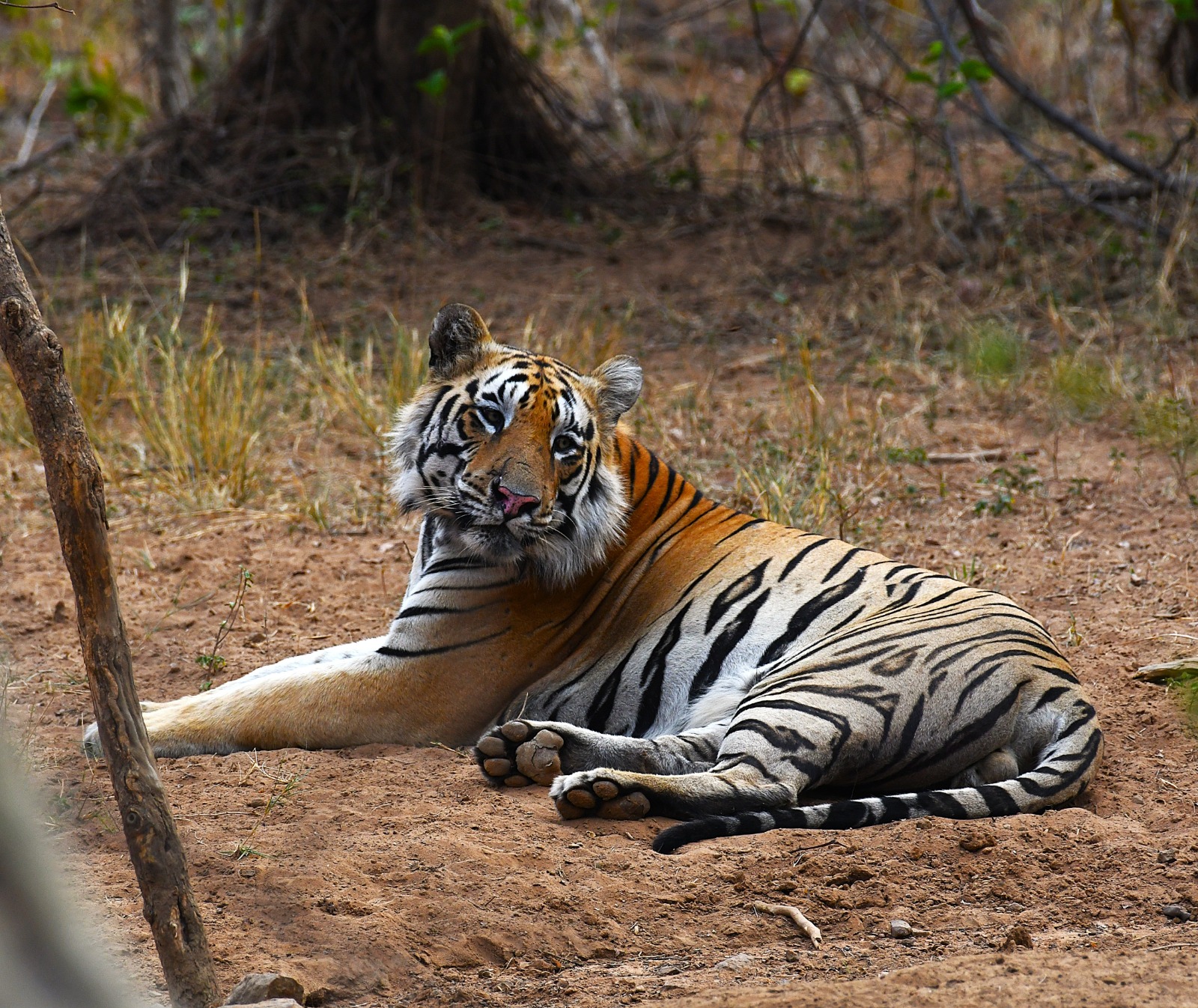
Open sightlines mean longer, unobstructed views of tigers. Heat haze can challenge telephoto shots but close-range water hole encounters compensate massively. Tigers are stationary for long periods — ample time to nail perfect compositions with low ISO in good light.
Pro Equipment Tips
- • Winter: 400–600mm lens for dense vegetation; polarizer helps
- • Summer: 100–400mm often sufficient at water holes
- • Bean bag essential for Gypsy jeep stability
- • Extra batteries for early cold mornings (Oct–Jan)
Best Time for Family Visits
October through February is undeniably the best time to bring the family to Tadoba. School holidays align perfectly with Diwali (October–November), winter break (December–January), and mid-year breaks.
Pleasant weather — 15–28°C mornings mean children stay comfortable during early safari starts without heat exhaustion risk
Abundant birdlife — over 195 resident species + winter migrants create an exciting treasure-hunt experience for young naturalists
Diverse wildlife — gaur, sambar, nilgai, wild boar, sloth bears and crocodiles at water bodies keep children engaged
Evening activities — wildlife talks, star gazing, campfire storytelling at most family-friendly resorts
Best months for families: October, November, December & January offer the perfect balance of comfortable weather and great sightings.
Park Opening & Closing Dates
Tadoba's operational calendar is strictly governed by Maharashtra Forest Department to protect nesting seasons and monsoon recovery.
Core Zone Opens
October 1 every year — all 4 main gates (Moharli, Kolara, Junona, Khutwanda) open simultaneously after monsoon closure.
Core Zone Closes
June 30 every year — coinciding with the onset of southwest monsoon. No safari permits issued for July, August, September.
Buffer Zones
Some buffer zones remain operational year-round with limited slots. Check current status as Maharashtra Forest Dept may modify dates annually.
Note: Exact dates subject to change by Maharashtra Forest Department. Always verify current season status before booking.
Safari Timings
Safari Shift Timings by Season
Safari timings change with the seasons as sunrise and sunset shift. Always confirm current timings with your booking agent.
Winter (Oct–Feb)
Summer (Mar–Jun)
â Evening summer safaris offer highest tiger sighting probability at water bodies
Monsoon (Jul–Sep)
Core Zone Closed
July 1 – September 30. No regular jeep safaris in core zone. Buffer zone access only — contact for current status.
Packing Guide
Weather & What to Wear on Safari
â„ï¸ Winter Safari (Oct–Feb)
Mornings can be crisp — pack layers
- • Light full-sleeve shirts and trousers (earthy tones)
- • A light fleece jacket for early mornings (Dec–Jan)
- • Closed-toe shoes or jungle boots
- • Scarf or buff for dust protection
- • Sunscreen SPF 50+ (still sunny)
- • Binoculars — essential for birds
- • Avoid bright colors — olive, khaki, brown
â˜€ï¸ Summer Safari (Mar–Jun)
Extreme heat — stay cool and protected
- • Lightweight breathable full-sleeve shirts
- • Light cotton trousers — NOT shorts
- • Wide-brim hat or cap
- • Large water bottle (2 litre minimum)
- • High SPF sunscreen, UV sunglasses
- • Electrolyte sachets to prevent dehydration
- • Insect repellent (DEET-based)
ðŸŒ§ï¸ Monsoon (Jul–Sep)
If visiting buffer zones — rain-ready
- • Waterproof jacket / poncho
- • Quick-dry trousers and shirts
- • Waterproof shoes or wellies
- • Camera rain covers essential
- • Extra dry bag for electronics
- • Anti-leech socks if trekking
- • Light insect repellent
FAQ
Common Questions About Tadoba Seasons
April and May are widely considered the absolute best months for tiger sightings, with multiple daily sightings reported near water bodies. For overall experience balancing weather and sightings, November to February offers a more comfortable and visually stunning safari. Our expert recommendation: visit twice — once in winter for the scenic beauty, once in summer for tiger encounters.
The core zone (Moharli, Kolara gates) closes from July 1 to September 30. Buffer zones including parts of Junona and Khutwanda may offer limited safari access. However, options are extremely limited, slot availability is unpredictable, and most luxury lodges reduce services. We advise planning your Tadoba trip outside monsoon months for the best experience.
Temperatures in April–May can reach 44–46°C in Tadoba. However, safaris are scheduled to avoid peak heat — morning sessions end by 9:30–10:00 AM, and evening sessions start only at 3:30 PM. The safari jeep moves through shaded forest trails which are significantly cooler. Stay well-hydrated, wear a hat, and you'll be fine. Most seasoned wildlife photographers prefer summer precisely because of the guaranteed tiger encounters.
Peak season (December–February) sees high demand, particularly on weekends and during school holidays. Core zone permits are limited by the Forest Department and can sell out 30–60 days in advance. However, Tadoba manages crowd control well — the multiple zones distribute visitors. Book through us 45–60 days ahead for guaranteed slots in peak season without feeling rushed or overcrowded on the trail.
Early June still offers excellent tiger sightings as the summer heat persists and water dependence remains high. As pre-monsoon showers arrive (typically late June), vegetation thickens slightly, but sightings continue to be productive. The park closes core zone on June 30 — book early June slots for a late-season summer experience before closure.
Quick Inquiry
Book Your Tadoba Safari Today
Fill in your details and our safari concierge will respond within 2 hours.